Victoria Chen is an architectural graduate from the University of Melbourne. She has always found joy in making things by hand. From architectural models to everyday life pieces, she values the physical engagement with materials and the thoughtful process behind every well-crafted design. She believes that how something is made holds just as much as what it becomes. Here is more about her, or look through her list of projects below.
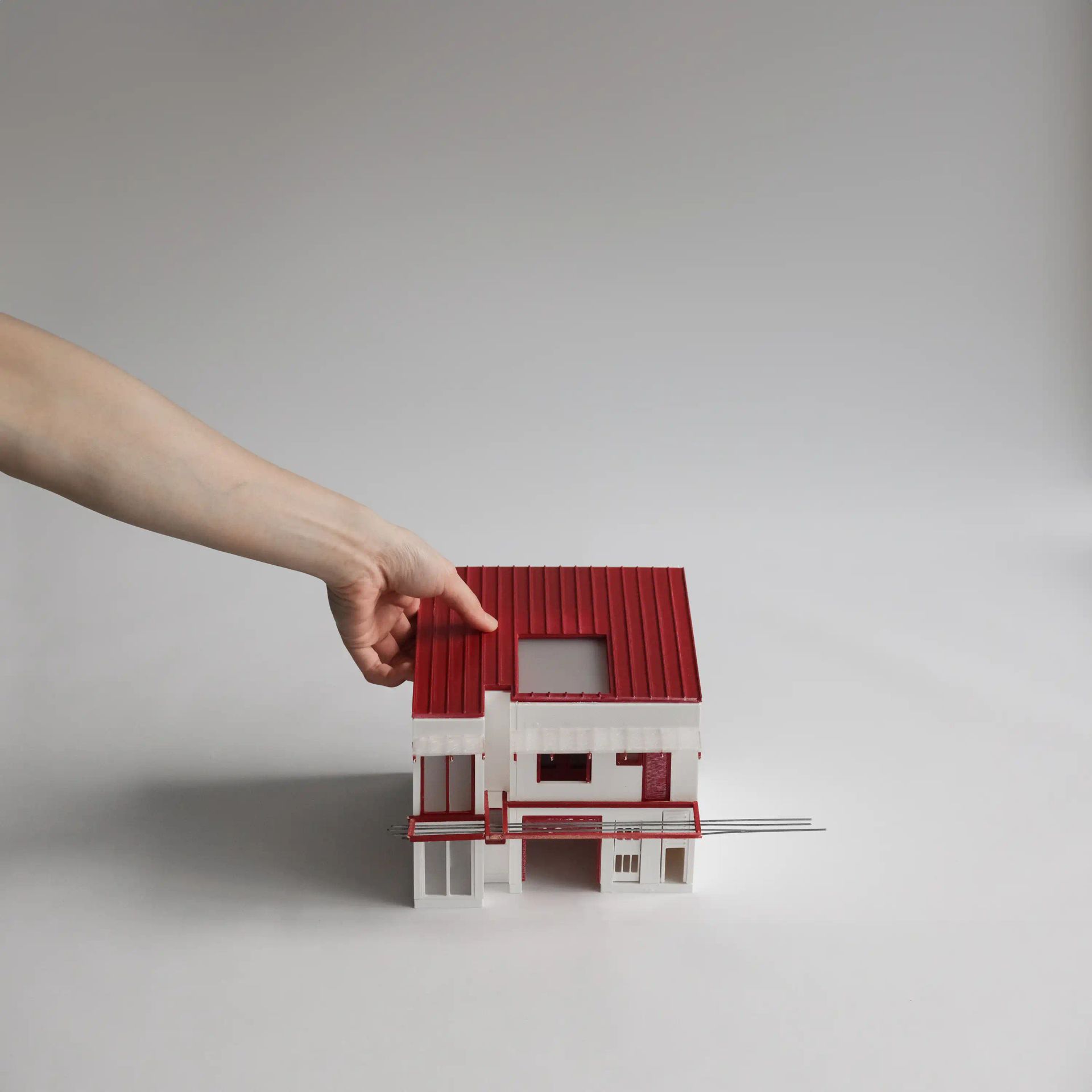
This project proposes an alternative approach to China’s urban renewal and economic revival—one that embraces, rather than erases, the spatial complexity of Guangzhou’s alleyways. Rather than viewing these informal spaces as chaotic, the project recognizes their tight density and mixed-use character as essential to the city’s cultural identity and economic vitality.
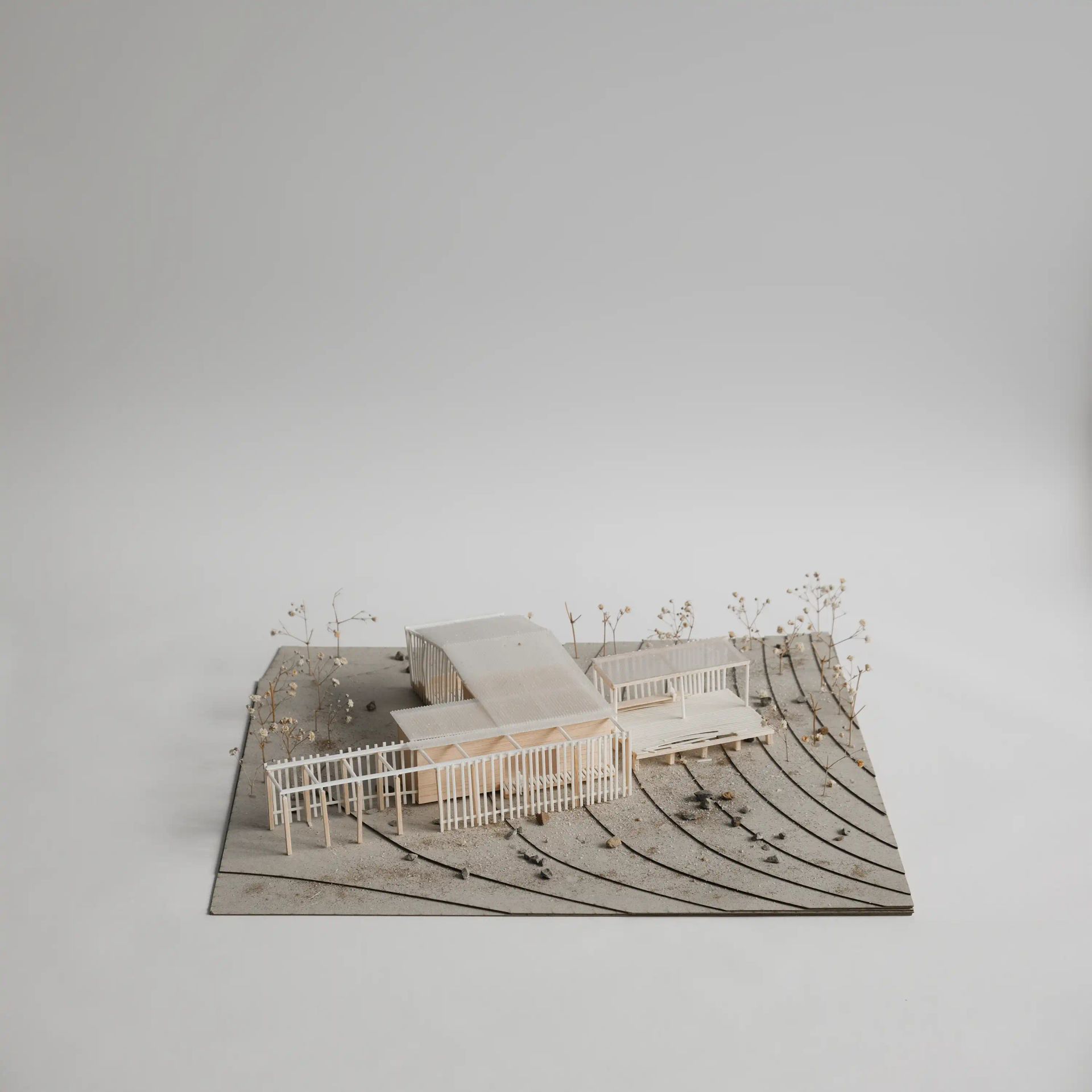
The Weaving Workshop responds to limited burial space and the environmental impacts of cremation by proposing a nature-based memorial process. Using local Lomandra fibers, it celebrates five stages—carrying, grading, drying, soaking, and weaving—within a material-led ritual. Urns made from local materials and soil are returned to the ground, where they gradually integrate with the landscape and regenerate as living flora.
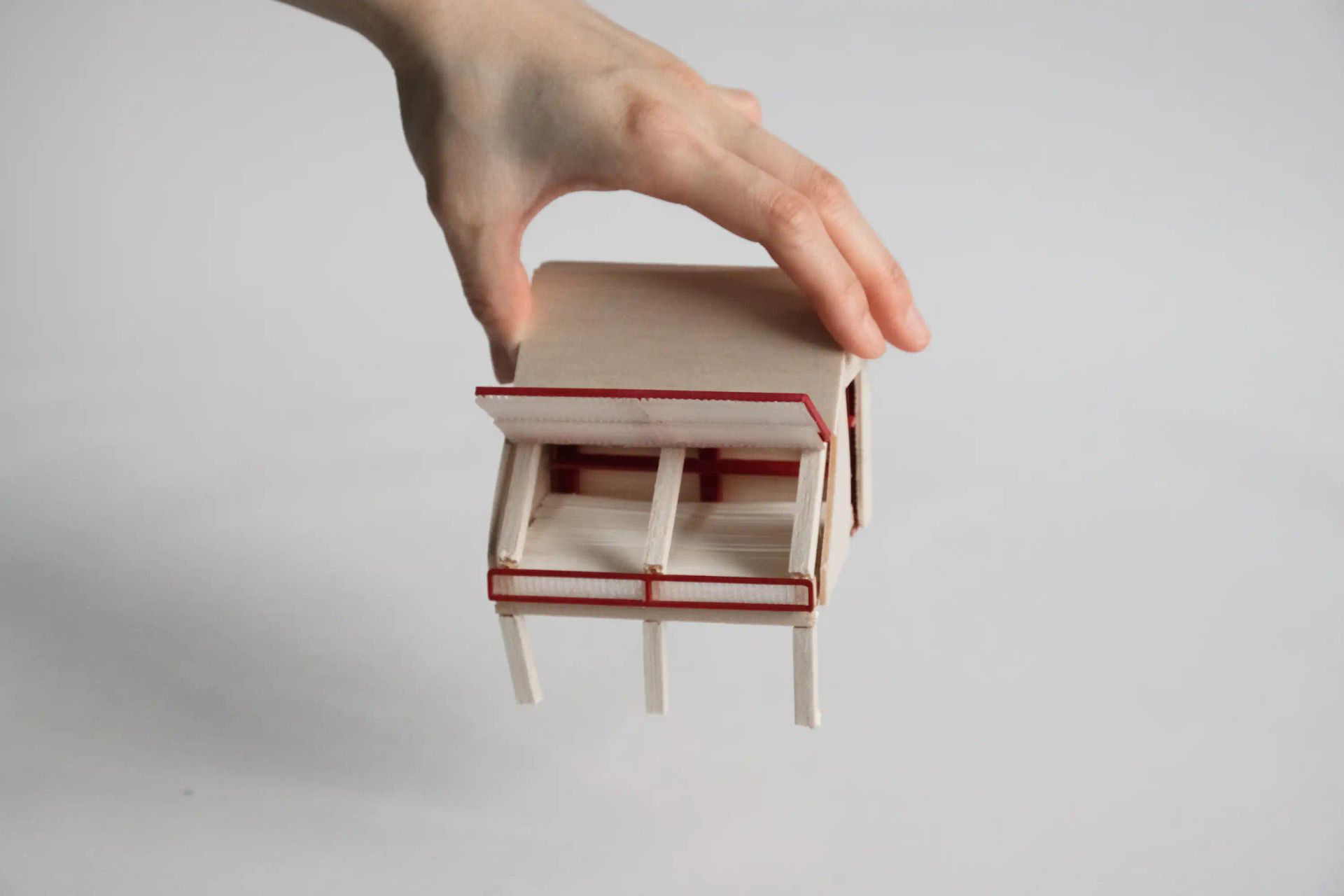
A community gathering space should cradle the essence of memories, ownership, social attachment, and identity. Transitioning from the old to the new must be a gradual journey. Thus, integrating a community gathering space should occur organically within the community.
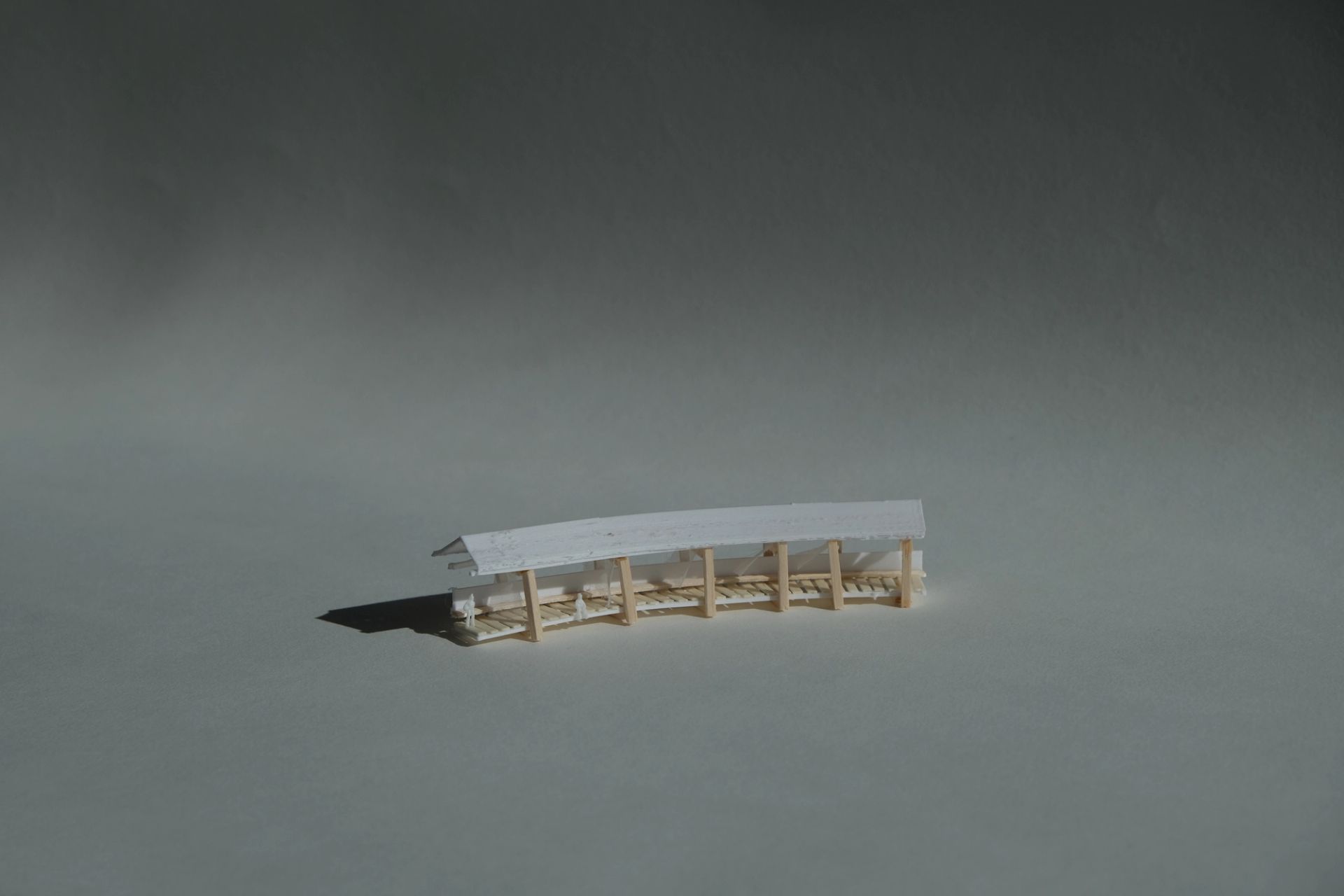
This project designs a series of micro spaces for a vintage watchmaker across three sites, from the area in the city, to suburban and finally remote. Each site features continuous, elongated wall constructed using the post-and-beam method, which acts as a structural core integrating work, display, and living spaces.
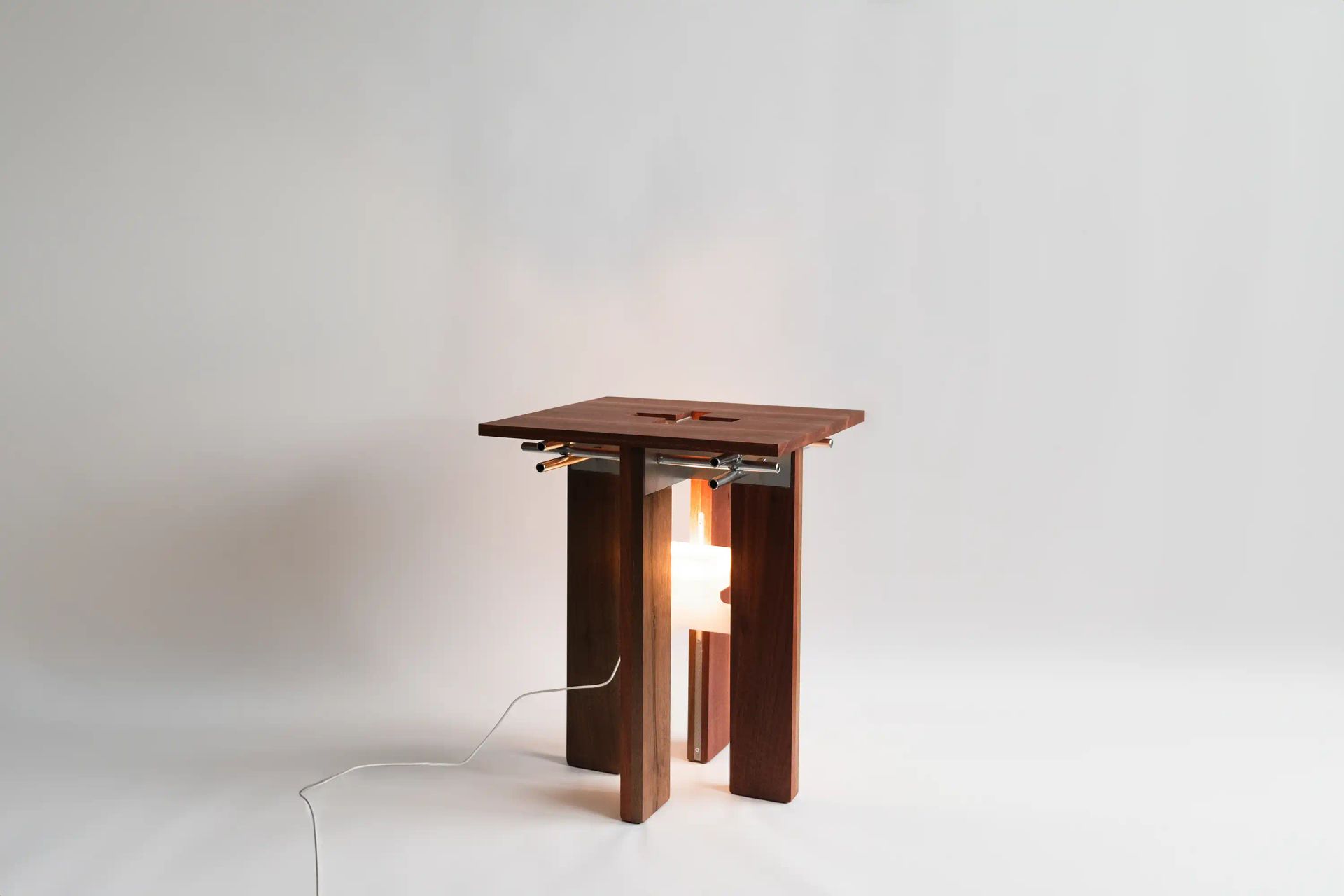
This experimental project explores the combination of three materials—timber, metal, and 3D printing—through a hands-on approach. Instead of relying on glue, the design uses traditional timber sliding joints, metal welding, and 3D printing techniques to create a functional, cohesive object that highlights both structural integrity and material contrast.
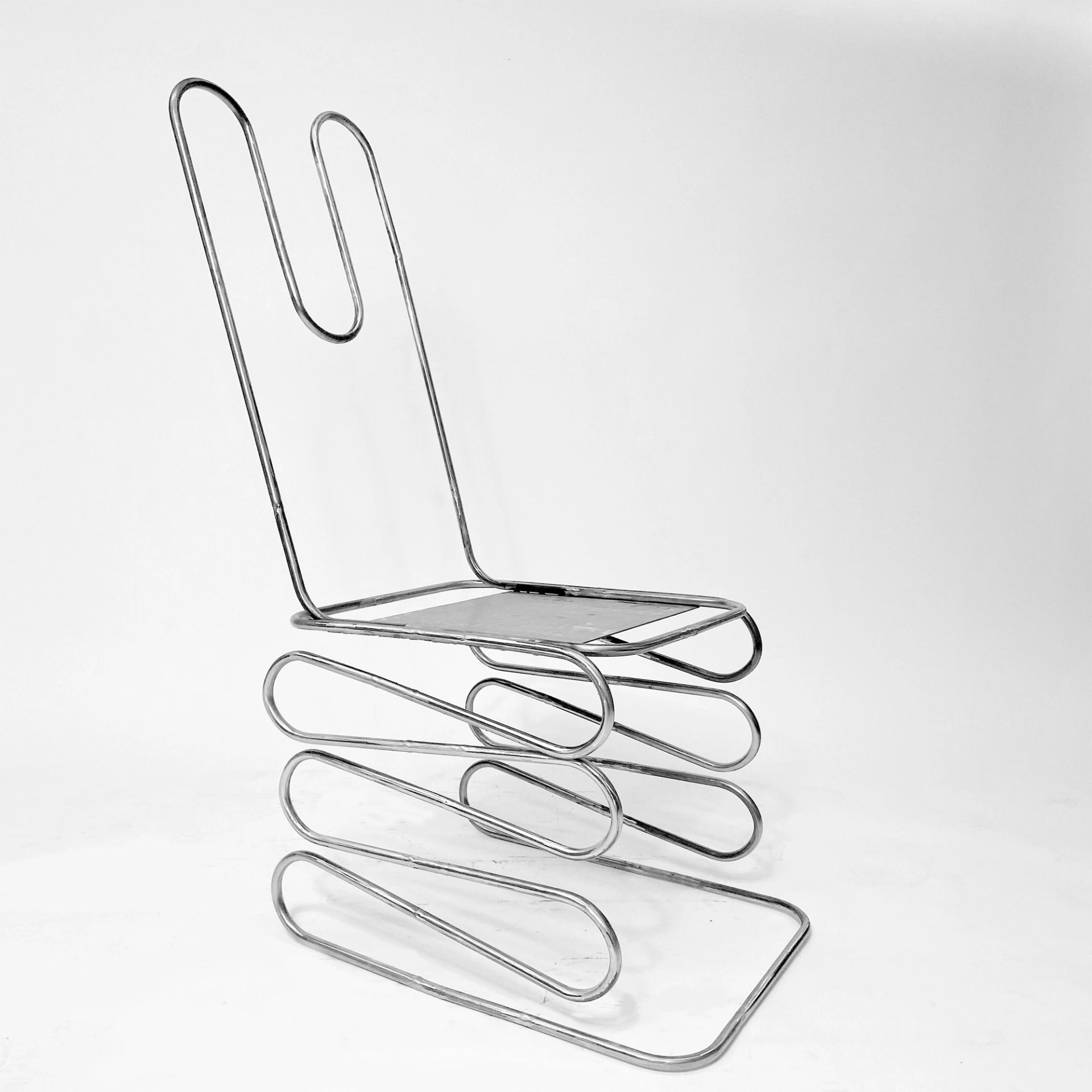
“What happens when steel meets Hooke’s Law?” This project explores the possibility of transforming a rigid material—steel—into a form that is flexible and playful. By using thin 2.7mm steel pipes, the design allows for elegant curves to be formed within a small radius, making the chair adaptable to various angles and directions.
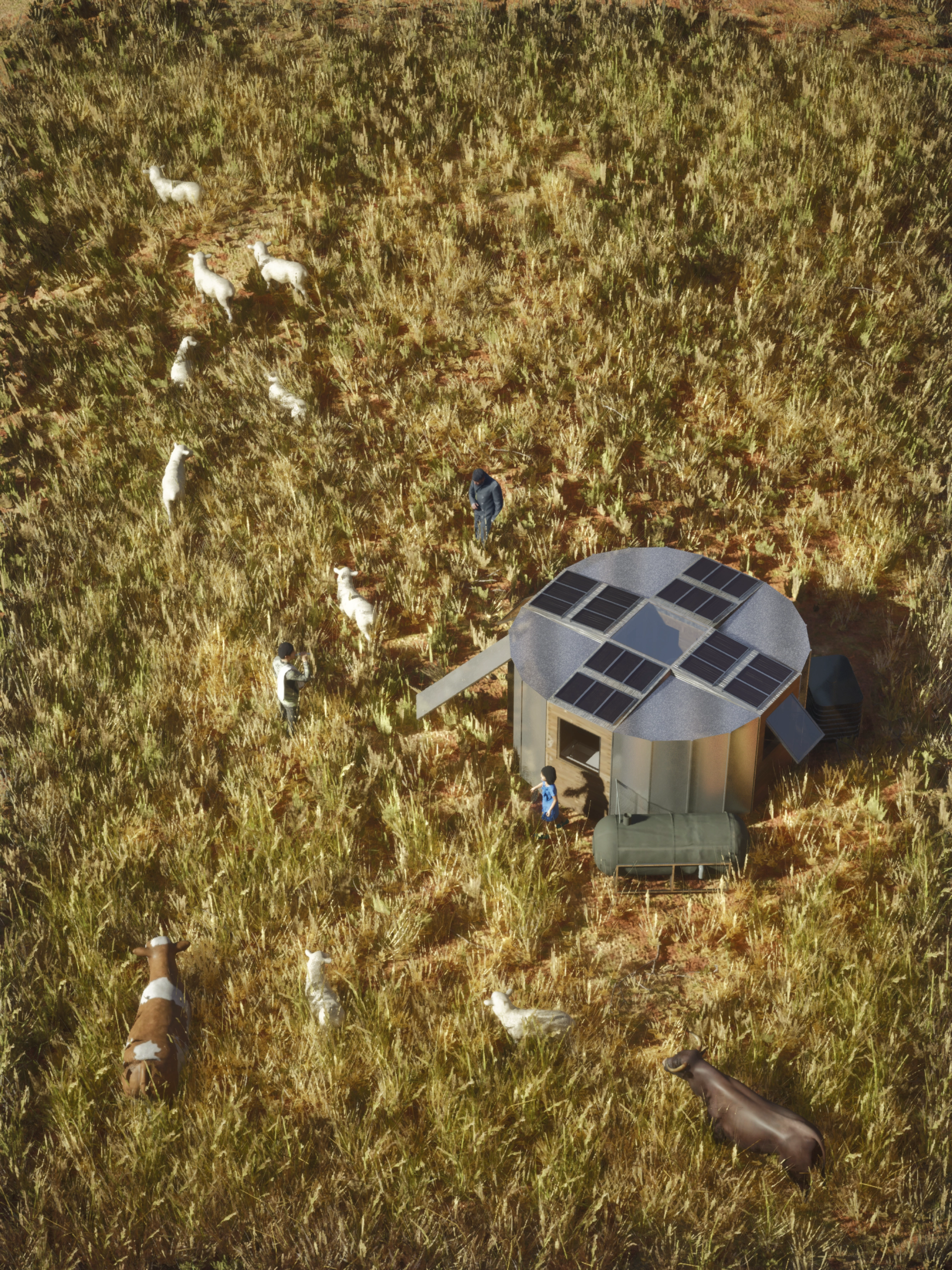
Traditional yurts, or gers, have shaped Mongolian nomadic life for centuries, with nearly 30% of the population still living in them. Yurt 2.0 preserves this heritage while meeting modern standards of comfort. Designed for Mongolia’s harsh climate, which uses insulation, a lightweight timber frame, and steel cladding to improve durability and reduce coal reliance. As an evolving prototype, it balances tradition with contemporary, sustainable living.